
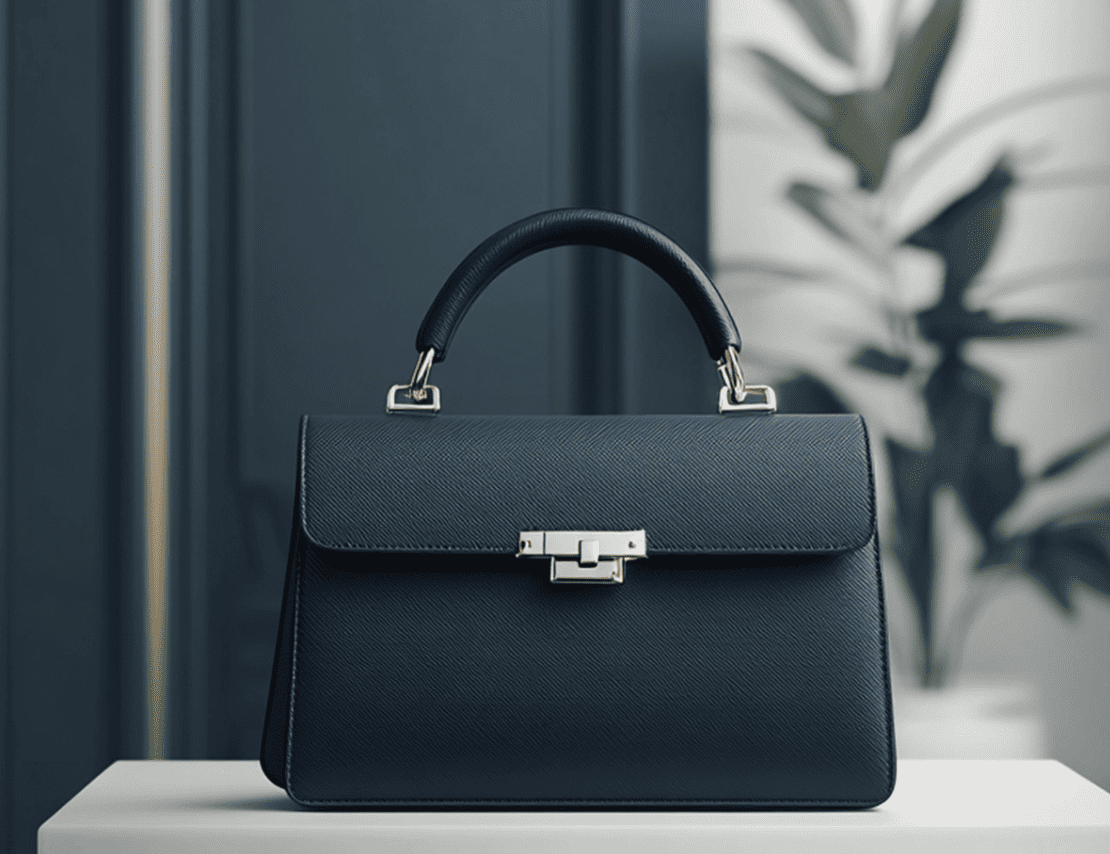
How to Spot High-Quality Handbags Before You Buy
Walking into a boutique or scrolling through an online gallery, it is easy to get swept up by a beautiful silhouette or a striking color. However, true satisfaction comes from owning a piece that stands up to daily use while looking as sharp as the day you brought it at home.
Selecting a well-made accessory is an art form that requires a sharp eye for detail rather than just a glance at a price tag. High construction standards ensure that your selection remains a staple in your collection for years, rather than falling apart after a single season.
The Secret in the Stitching
When you first pick up a bag, the very first place your eyes should go is in the seams. In mass-produced items, stitching is often rushed, resulting in loose threads or uneven spacing. On a high-quality piece, the stitches stay straight, tight, and consistent.
Consistency: Look for a uniform distance between each stitch. If the line wobbles or if stitches overlap in odd places, it suggests a lack of attention during assembly.
Thread Strength: Gently tug at the seams. If you see the leather or fabric pulling apart or the thread looks thin and frayed, it will likely give way under the weight of your daily essentials.
Backstitching: Flip the bag inside if possible. Professional construction includes secure knots and backstitching at the end of every seam prevents unravelling.
High-end craftsmanship often utilizes a slightly angled stitch, which is a hallmark of traditional hand-sewing techniques. This method proves greater flexibility and durability than a straight machine stitch because even if one link breaks, the entire seam remains intact.
Material Integrity: Beyond the Surface
The feel of the exterior material tells a story about how the item will age. Whether you prefer genuine leather, high-end synthetics, or durable canvas, the texture must feel substantial.
Leather Quality: Real, high-grade leather should feel supple and have a natural scent. If it feels like plastic or has a chemical odor, it likely has a heavy synthetic coating that will peel over time. Look for “full-grain” options, which retain the natural strength of the hide.
Suede and Exotic Finishes: These should feel soft to the touch without shedding fibers. The color should be deep and even across the entire surface.
Canvas and Fabrics: If the bag is textile-based, the weave should be tight. A loose weave catches on jewelry and sharp edges, resulting in snags and holes.
High-quality materials have a certain weight to them. While you don’t want a bag that feels like a brick, a flimsy, paper-thin material is a clear indicator that the manufacturer cut corners.
Hardware That Functions with Ease
The metal components; zippers, buckles, clasps, and feet, are the workhorses of any handbag. They are often the first things to fail, so inspecting them is valid.
Zipper Fluidity: A high-quality zipper should be able to glider open and shut without catching. If you have to fight with the pull or if the metal teeth look jagged, it is a sign of poor manufacturing.
Metal Weight: High-standard hardware is typically made of solid brass or plated steel. It shoulds feel cool to the touch and have some heft. Avoid items where the hardware feels like painted plastic, as the finish will chip away within weeks.
Secure Attachments: Check how the handles are attached to the body. Are they held by simple glue, or are they reinforced with metal rivets and additional layers of material? Robust attachments ensure the handles won’t snap when you carry your laptop or books.
The Interior Architecture
The inside of a bag is just as important as the outside. A common mistake is ignoring the lining, but this is where the structural integrity often hides.
Lining Materials
A bag with a cheap, thin polyester lining is prone to ripping. Look for
sturdy cotton twill, suede or even leather
linings. These materials tend to protect the exterior from the inside
out and provide a smooth surface for your
belongings.
Pocket Placement
Well-thought-out designs include reinforced pockets. If a pocket is just
as slit in the lining without any piping or
extra stitching, it will sag and eventually tear. Check for
double-stitched edges on internal compartments.
Structural Support
A high-quality bag tends to hold its shape. If you set it down on a
table and it immediately collapses into a puddle of
fabric, it lacks internal boning or reinforcements. While slouchy styles
exist, the base should always feel reinforced
to prevent the bottom from bowing out.
Edges and Finishing Touches
Inspect the edges where two pieces of material meet. In many designs, these edges are finished with a colorful or clear resin known as “glazing.”
Smooth Glazing
The resin should be smooth, even, and contained within the edge. If it
looks messy, bubbly, or is cracking already, it
will quickly peel off in the heat or cold.
Turned Edges
Some makers prefer to fold the leather over and stitch it down. This is
a labor-intensive process that results in a very
clean, professional look. It prevents the fraying that often happens
with raw edges.
Alignment and Pattern Matching
If you are looking at a bag with a specific pattern, logo, or texture, pay attention to how the panels meet at the seams.
On a meticulously crafted item, the pattern will continue seamlessly from one panel to the next. If a stripe suddenly jumps an inch higher at the side seam, it indicates that the pieces were cut to save material rather than to create a beautiful final product.
This alignment shows a commitment to the aesthetic value of the piece.
Weight Distribution and Comfort
A bag can look stunning, but if it is painful to carry, it will end up sitting in your closet. High-quality design accounts for the human body.
Strap Width
Thinner straps might look elegant, but they dig into your shoulder. Look
for straps that are slightly padded or wide
enough to distribute weight.
Balance
Pick the bag up by the handle. Does it tilt forward or backward
awkwardly? A well-balanced bag stays upright, protecting
your items from falling out.
The Importance of the Dust Bag
While it seems like a small detail, the inclusion of a high-quality storage bag is a sign that the maker values the longevity of their work. Breathable cotton bags protect the material from dust and sunlight.
If a manufacturer provides a cheap plastic sleeve or nothing at all, they might not be concerned with how the bag looks a year from now.
How to Test Before the Purchase
If you are shopping in person, do not be afraid to interact with the item.
1. The Smell Test: Natural materials tend to have an earthy, rich scent. Chemicals smell like a factory.
2. The Weight Test: Hold it by the straps for a few minutes.
3. The Interaction Test: Open and close every compartment three times.
If you are shopping online, zoom in on the high-resolution photos. Specifically, look for close-ups of the corners and the zipper ends. These are the areas where manufacturers tend to usually hide mistakes.
If a website only shows wide shots and no detail, consider it a red flag.
Making Your Choice
Finding a bag that meets these criteria ensures that you are getting value for your hard-earned resources. It isn’t about finding the expensive item on the shelf; it is about finding the one where the maker took the time to do things correctly.
When you focus on stitching, hardware, and material quality, you move away from disposable fashion and toward a collection of pieces that you can carry with pride.
The bottom line is: a high-standard handbag is a companion. It holds your world inside of it, and by choosing wisely, you ensure that your world is held together by craftsmanship that lasts.